Building a Stronger Laboratory Workforce to Advance Quality and Accreditation Across West Africa
When an outbreak occurs, strong laboratories are essential for detecting diseases quickly, confirming cases accurately, and guiding an effective response. Yet laboratories are only as strong as the people who manage them.
To help strengthen laboratory systems across West Africa, the International Association of National Public Health Institutes (IANPHI), in partnership with the U.S. CDC implemented two regional Strengthening Laboratory Management Toward Accreditation (SLMTA) Training-of-Trainers (TOT) workshops in 2026. The initiative brought together 40 laboratory professionals from 16 West African countries to build a network of experts capable of improving laboratory quality systems and supporting accreditation efforts throughout the region.
SLMTA is a globally recognized quality improvement program that helps laboratories implement practical quality management systems and work toward international accreditation standards. Since its launch, SLMTA has been implemented in more than 1,643 laboratories across 56 countries and has helped over 400 laboratories achieve accreditation. Accredited laboratories produce reliable and accurate test results, helping health officials detect outbreaks earlier, make better decisions, and improve patient care.
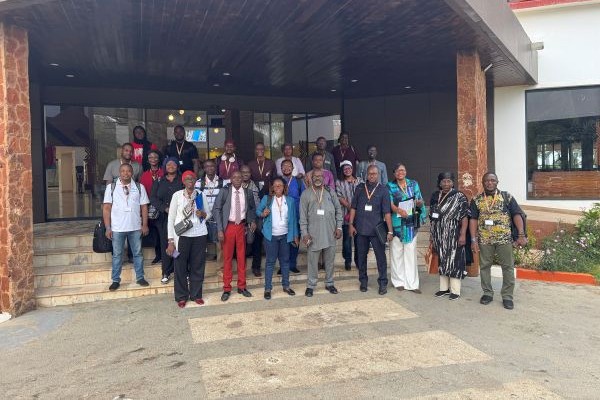
Francophone SLMTA TOT participants and master trainers group photo, Saly Senegal.
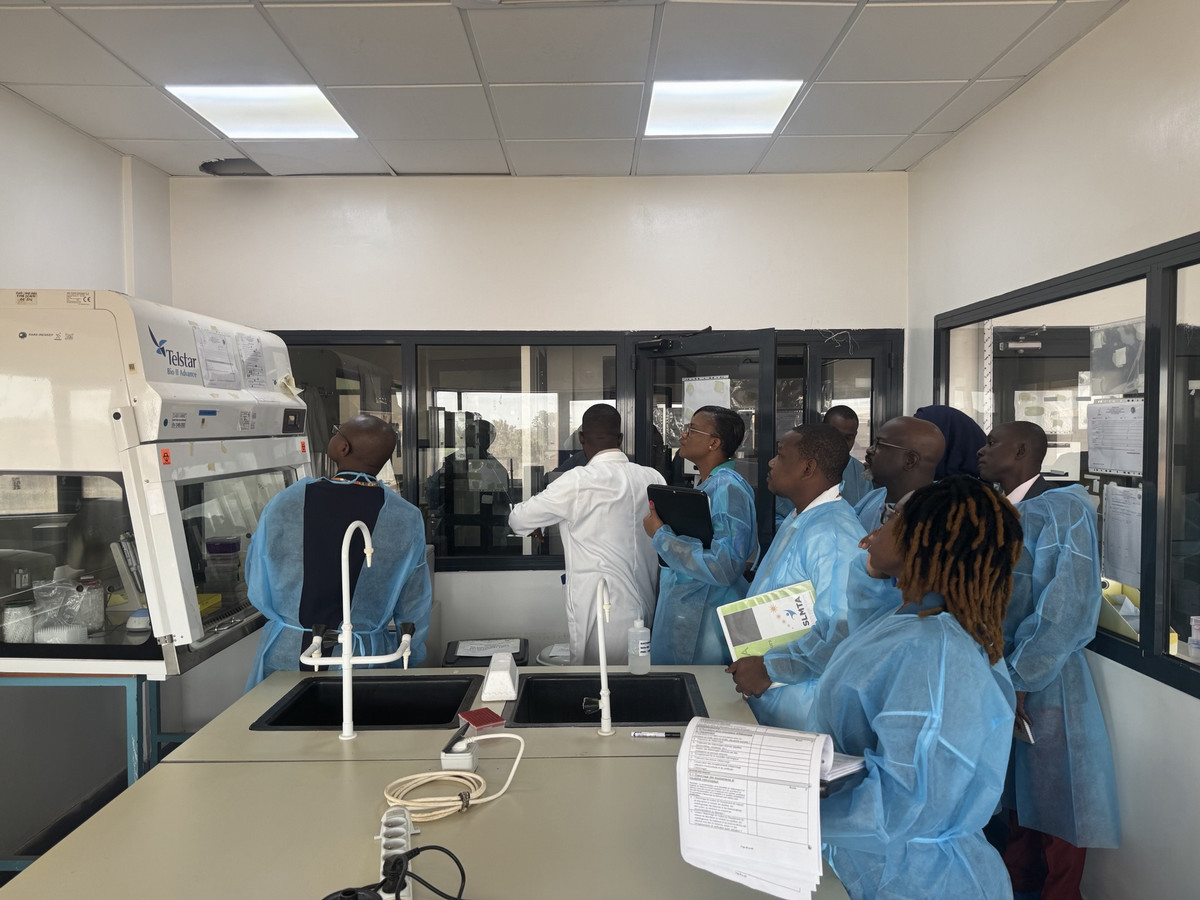
The training emphasized hands-on learning. Participants practiced delivering SLMTA modules, received coaching from experienced mentors, worked through real-world quality improvement challenges, and visited accredited laboratories to observe quality management systems in practice. By the end of the intensive two-week program, participants had gained the skills and confidence needed to train and mentor others in their countries.
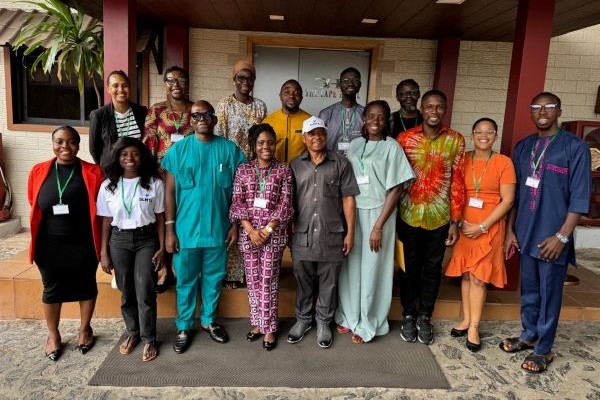
Anglophone SLMTA TOT participants group photo, Monrovia, Liberia.
Strong laboratory systems are critical for detecting and responding to diseases such as Ebola, Mpox, cholera, yellow fever, and other emerging health threats. By increasing the number of trained SLMTA facilitators in West Africa, IANPHI, and U.S. CDC are helping countries improve outbreak preparedness, strengthen diagnostic services, and build a regional network of laboratory professionals who can sustain progress toward quality and accreditation, helping protect the health of millions across the region.